
Aghora Pasupatha Homa
Also spelled Aghora Pasupatha Homam
अघोर पाशुपत होमWhen the case drags on and truth feels outnumbered, the Aghora fire is kindled — the face of Shiva that burns away what obstructs justice.
- Never a group ceremony — only the names you give are spoken
- Muhurta fixed from your own birth chart, confirmed within 24–48 working hours
- Free energised Aghora Yantra, sealed in a silver amulet, shipped worldwide at no charge
The Ritual and Its Weight
The Aghora Pasupatha Homa is a fire rite addressed to Aghora, one of the five faces of Sadashiva, worshipped here as Pashupati — the lord who holds the pasha, the noose that binds. A lawsuit is a kind of binding. Papers, dates, adjournments, the slow weight of accusation. Tradition holds that what binds you can be loosened only by the one who owns the noose. So the priests light the kunda, name your matter, and offer into the flame on your behalf.
Aghora is called fierce, but the name itself means 'not terrible' — the form that looks severe only to obstruction, and turns gentle towards the one who takes refuge. This is why the Aghora Pasupatha Homam has long been sought by those facing litigation, false complaint, property disputes and prolonged hearings. It is not a rite of revenge. It is a prayer that the truth of your side be seen plainly, and that the mind stay steady until it is.
अघोरेभ्योऽथ घोरेभ्यो घोरघोरतरेभ्यः । सर्वेभ्यः सर्वशर्वेभ्यो नमस्ते अस्तु रुद्ररूपेभ्यः ॥ Salutations to all your Rudra forms — the gentle, the fierce, and the fiercer still — to every one of them, O destroyer of all.Why Devotees Book This
Devotees turn to the aghora pasupatha homa when a legal matter has taken over daily life. Here is what the tradition prescribes the rite for.
Relief in pending court cases
Offered when hearings drag, dates slip and the file seems to move nowhere. The homa is performed as a prayer for the matter to reach an honest resolution.
Protection from false accusation
Sought by those facing complaints they know to be untrue, so that facts are heard clearly and character is not clouded by allegation.
Loosening of the pasha
Pashupati is invoked to release the knots — paperwork, entanglements, disputes over land and inheritance that have bound a family for years.
Steadiness under pressure
Litigation wears the mind down. The rite is traditionally done to keep the devotee composed, clear-spoken and free of fear before authority.
Turning aside hostile intent
In its secondary framing, the aghora homam is offered against those who work openly or quietly to harm your standing and your case.
Clarity for the family
A shared prayer for the household that carries the case with you — the ones who wait outside courtrooms and cannot sleep the night before.
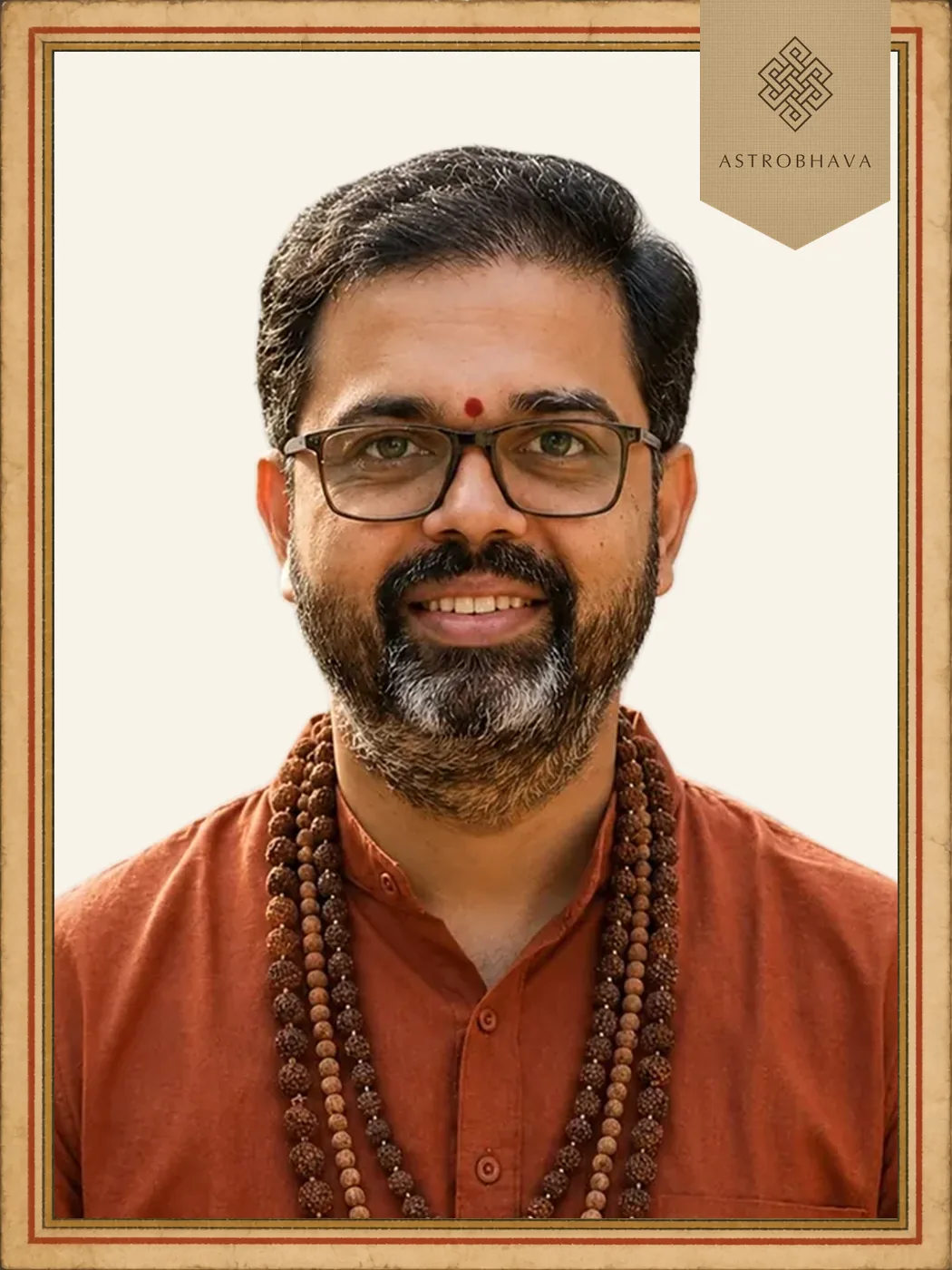
Under the guidance of Brahmashree Shivaaya
Every priest who performs your Aghora Pasupatha Homa is trained in a traditional Padashala and personally recruited by Brahmashree Shivaaya — Chief Operating Officer & Head of Astrological & Spiritual Solutions at AstroBhava. Your ritual is conducted at our own Yagna Ashram — never a rented venue — with Yantra Pujas inside our consecrated sanctum.
Meet our priests →- Certified Vedic priests — trained in traditional Padashalas
- 100% Agama Vidhi — as prescribed in the scriptures
- One chart, one sankalpa, one fire — never a group ceremony
- Muhurta from your chart — date fixed to your birth details
- Free worldwide delivery — prasadam & energised Aghora Yantra
Choose your homa in two steps
✓ Included with every package: the free energised Aghora Yantra, sealed in a silver amulet
* Your Aghora Yantra is a copper plate approx. 1–2 inches, rolled and sealed inside a silver amulet approx. 2–4 inches. Sizes are approximate and the amulet's design varies between supplier batches — shape, metal and consecration remain the same.
All prices are all-inclusive — no shipping charges, no additions at checkout. See everything included →
You book — and add birth details on the next page, straight after payment.
Within 24–48 working hours — your muhurta is confirmed by email.
The day before — your telecast link arrives by email.
After the homa — tracking email with how and when to wear the Aghora Yantra.
The most auspicious days for an Aghora Pasupatha Homa
Aghora is a Rudra form, so the calendar follows Shiva.
The fourteenth night of the waning moon is the classical hour for fierce Shiva rites, and a favoured slot for the Aghora Pasupatha Homam.
Somavara belongs to Shiva, and Ardra is his own star. Both are held to be strong days to begin a prayer for justice.
The great night of Shiva, when Rudra rites of every kind are performed with the fullest observance.
Many devotees ask for the homa in the days just before an important court date, so the offering is fresh when they walk in.
You do not need to wait for one of these days. Whenever you book, our astrologers calculate the muhurta from your own birth chart — a date chosen for you personally, which tradition regards as more precise than a calendar date chosen for everyone. If you would like the homa on one of the days above, tell us at checkout and we will fix the muhurta within it.
What you receive
The sealing of the Aghora Yantra
The Aghora Yantra is consecrated over three days — Jala (holy-water consecration with mantras), Prana (life force through pranayama & chants) and Jeeva Pratishta (awakened with 108 recitations & offerings) — then present through your homa, receiving the energies raised in the fire. When your homa concludes, it is rolled and locked inside its silver amulet according to Agama vidhi — the practice by which those energies are held within a consecrated object rather than dispersing. It is why a homa performed at our ashram can still reach a devotee ten thousand miles away: what the fire raised travels to you, sealed.
Personal sankalpa
Your name, gotra & nakshatra — and up to four family members if you wish. No one else is named.
Live telecast
Watch your own homa in real time from the ashram. Streamed openly on our YouTube channel by default — or request an unlisted telecast at checkout.
Free energised Aghora Yantra, sealed in a silver amulet
Shipped to you with your prasadam.
Prasadam, shipped free
Sacred vibhuti, sandalwood powder & kumkum from your fire — delivered to any country.
Yantra Pujas inside our consecrated sanctum
48-Day Anushthan (optional) — daily pujas for 48 days — the 27 Nakshatras + 12 Rashis + 9 Planets — then sealed in a silver amulet of approximately 2–4 inches. Performed in our consecrated sanctum at the Yagna Ashram.
A note on sacred tradition
As per strict Agama vidhi, no videography is permitted inside the temple sanctum — this preserves the pure sacred energies and undisturbed divine focus of the ritual. The main homa is respectfully telecast live from outside the sanctum.
Homas are telecast openly on our YouTube channel so that devotees everywhere may witness the rituals — and because we believe you should be able to see our work before you trust us with yours. Your sankalpa names you and any family members you add, so if you would rather your ceremony were not public, choose the private telecast option at checkout and it is streamed as an unlisted link, which does not appear on our channel or in search, though anyone who has the link can watch it and share it.
We state this plainly — transparency about what tradition forbids filming, and about what is public, is part of performing these rituals honestly.
How to wear your energised Aghora Yantra
Your auspicious time to wear it
Wear it for the first time on a Monday, between 6.30 and 7.30 in the morning. Bathe first, place the yantra on your pooja altar and offer your prayers, then wear it around your neck or your waist, on a red or black thread or a silver chain.
At a funeral
Take the yantra off before you attend a funeral.
Purify the amulet
Whenever the yantra has been taken off, or if it was worn at a funeral, dip it in raw milk or Ganga jal, show it incense, dhoop or attar (perfume), and then wear it again.
Keep the energy intact
You may repeat this energising once a week or once a month.
How your Aghora Pasupatha Homa is performed

Sankalpa
The priest states your name, gotra and nakshatra — and those of up to four family members — with the intention this homa is performed for.
Ganapati Puja
The customary invocation to Ganapati, clearing obstacles before the deity is approached.
Agni Pratishtha
The fire is consecrated in the homa kunda and Agni invoked as the carrier of every offering that follows.
Aghora Pasupatha Avahana
The mula mantra of Aghora is chanted, inviting the deity's presence into the fire — by one, three or five priests as your package sets.
Ahuti
Ghee and akshata, with the flowers, grains and dravyas proper to this deity, are offered in sequence with mantra.
Purnahuti
The final complete offering seals the sankalpa stated at the opening.
Aarti & Dispatch
Aarti is performed live on your telecast. Vibhuti, sandalwood powder, kumkum and your energised Aghora Yantra are then packed and shipped free to your door.
Aghora
Of the five faces of Sadashiva, this is the one turned to the south — dark as a storm cloud, fierce in gaze, garlanded and smeared with ash. The Shaiva agamas place him alongside Sadyojata, Vamadeva, Tatpurusha and Ishana as the face of dissolution, the aspect that consumes what has grown heavy and obstructive. His mantra, preserved in the Taittiriya Aranyaka, salutes the Rudra forms that are at once terrible and not terrible. Worshipped as Pashupati, he is the lord of pashus, the bound souls, and he holds the pasha, the noose that binds them. Tradition holds that only the one who owns the cord can loosen it. Devotees under prolonged pressure, accusation or entanglement turn to this face because severity here faces the obstruction, not the one who takes refuge.
In this homa that grace is invoked through fire, with your own name and birth details spoken in the sankalpa.
Ask before you book
Nirnaya, our free ritual guide, recommends the traditional ritual for your situation instantly. For a full reading of your chart, book a live session with our astrologers.
Frequently asked
Other rituals devotees book alongside this one
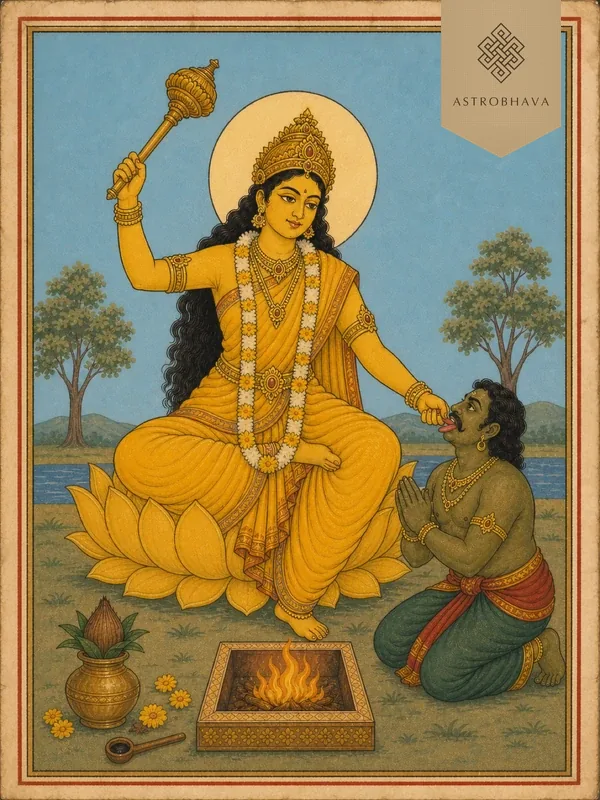
Bagalamukhi Homa
Booked for court cases, legal disputes and the strength to stand firm before opposition.
Maha Homa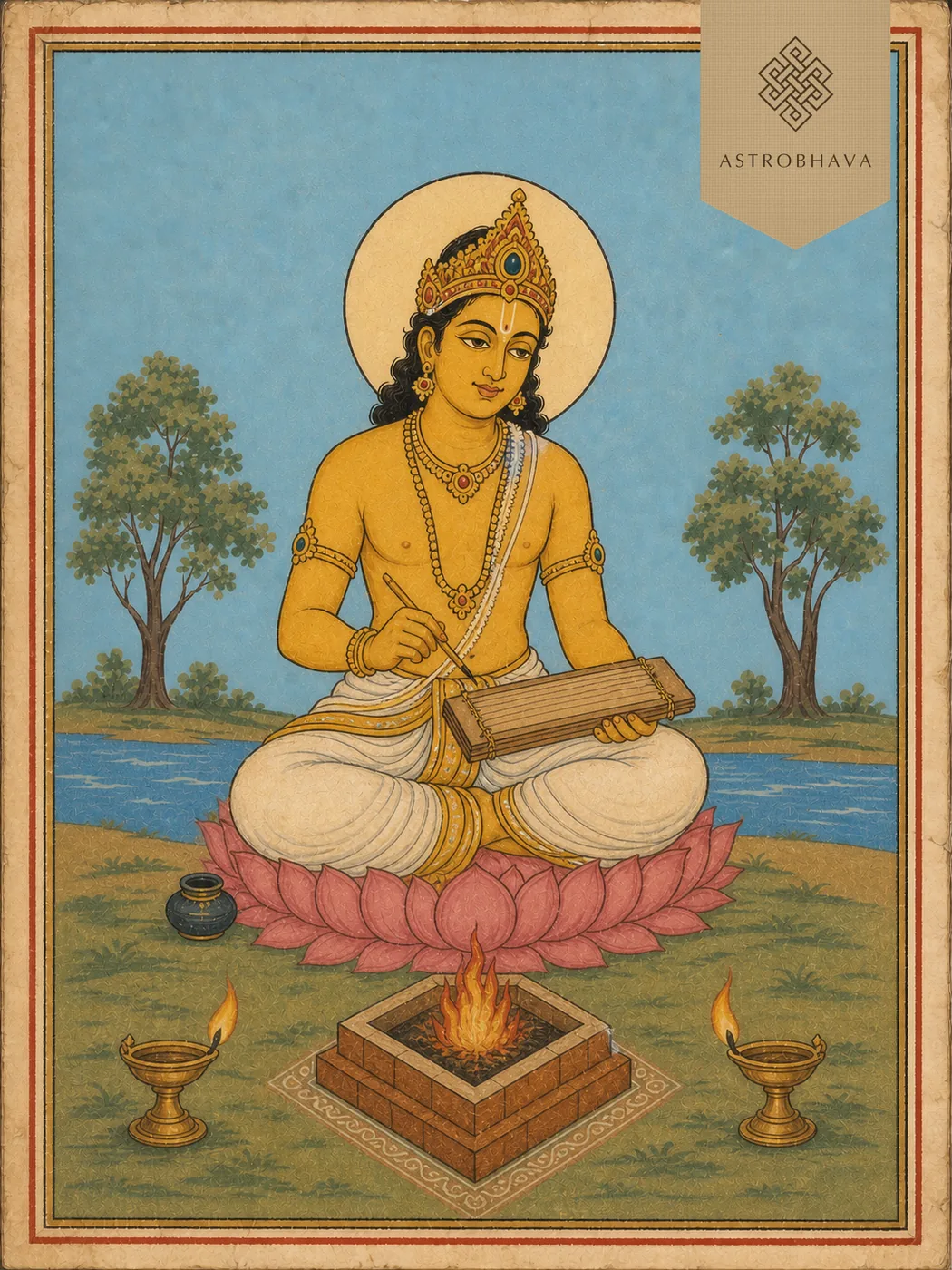
Chitra Gupta Homa
Booked for pending court cases, disputed claims and a fair hearing in matters of justice.
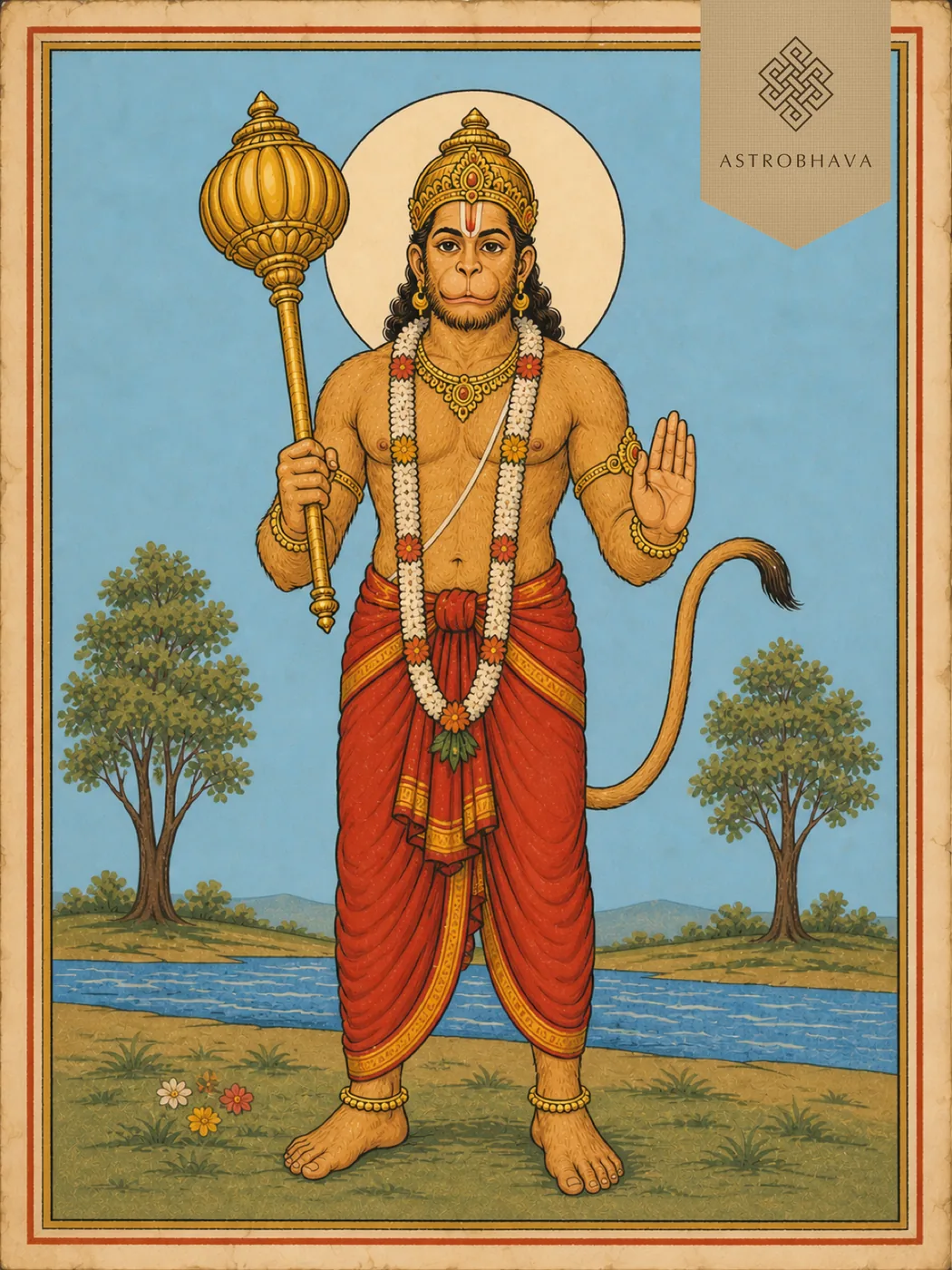
Hanuman Homa
Booked for shielding from evil eye, black magic, psychic harm and hostile forces.
Let Aghora's name be spoken with yours
Book your Aghora Pasupatha Homa, watch it performed live from our Yagna Ashram, and receive your energised Aghora Yantra anywhere in the world.
Choose Your Package